The Path to Perfection
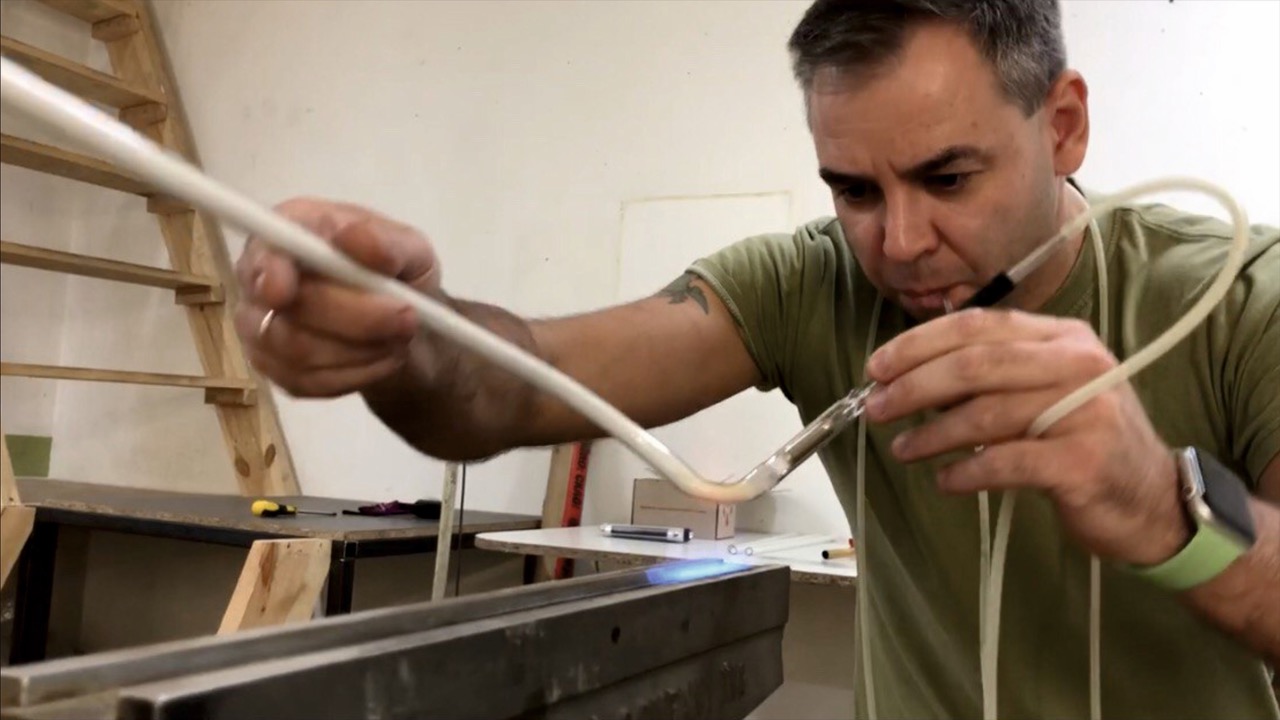
The training lasted almost a year. Glass doesn’t forgive haste. It’s alive, and you can’t treat it like an ordinary material. Every movement, every step must be precise and conscious, or everything can break in an instant.
Glass doesn’t tolerate haste or superficial handling. If you want to create something, it demands your full attention and respect.
Excessive tension, abrupt movements — and that’s it. One small mistake, and you start over. You experience the moment when everything you’ve created simply disappears. Nothing forgives your inattention. And every time, you have to start from scratch, losing not only time but also your confidence. There’s no room for randomness because glass won’t forgive any wrong gesture.
Gradually, the outside world began to fade away.
At first, you don’t notice how it happens, but over time, you realize that the days lose their structure, and reality around you does too. You immerse yourself in the process, which doesn’t give you time for distractions. In the workshop, your vision becomes blurred from the fire, and thoughts dissolve in every movement. Everything happening outside these walls seems foreign. Time stops existing. Days become similar to each other. It could be raining or sunny outside, but you don’t know. Your thoughts flow only through the glass, only through the fire, and every movement you make becomes part of this world.
Time shrinks to simple things:
→ The fire burning in the torch, and its warmth that keeps your hands steady and allows you to work tirelessly.
→ The glass that you melt, which changes shape under your hands, and you feel how it accepts your effort.
→ The breath, which becomes your only guide — steady, calm, and suddenly you realize that nothing else matters anymore.
→ Hands that have learned to feel every detail, every imperfection, every touch. In your hands — the whole world, and it exists only here, in this process.
I was no longer interested in anything else. No conversations, no words that were spoken outside. All conversations became empty, meaningless. You stop hearing them because they are no longer important.
No plans, which used to occupy so much space in my head, all began to melt away, giving room to what was happening here and now. When you work with neon, your plans become insignificant, because the process itself dictates the rules.
Not what’s happening outside the workshop. Everything outside its walls becomes distant, like some other world. You almost stop being a part of external life. The workshop is the only world you’re living in now. Everything else fades away, into the shadows, requiring no attention.
When the World Becomes Layered
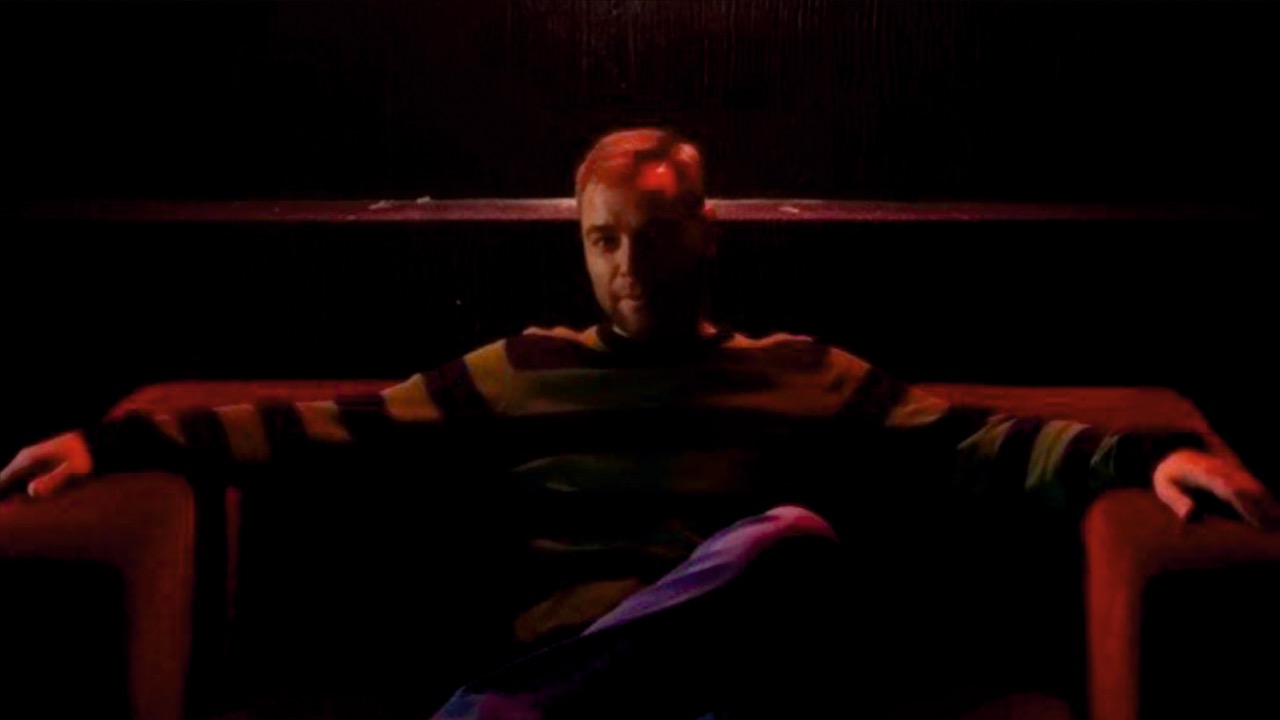
Over time, life began to expand gradually, filling with things that used to be outside the workshop and didn’t require my attention, but now they were increasingly reminding me of themselves, demanding involvement, decisions, and responsibility that I wasn’t fully ready for yet.
Other tasks, other roles, other rhythms appeared, and the days no longer flowed in one continuous stream as before, when everything was measured only by the temperature of the flame, the state of the glass, and the brief moment when the movement must be perfectly precise.
I began to approach neon less frequently in the way I had before, not because it had lost its significance, but because life itself no longer allowed for complete immersion in one process, demanding presence in several places and states at the same time.
But neon didn’t disappear. It remained as an inner guide, a way to check myself for honesty, attentiveness, and the ability to stay within what I was doing, without trying to rush time or simplify the path that I would still have to follow to the end.
Understanding Through Repetition
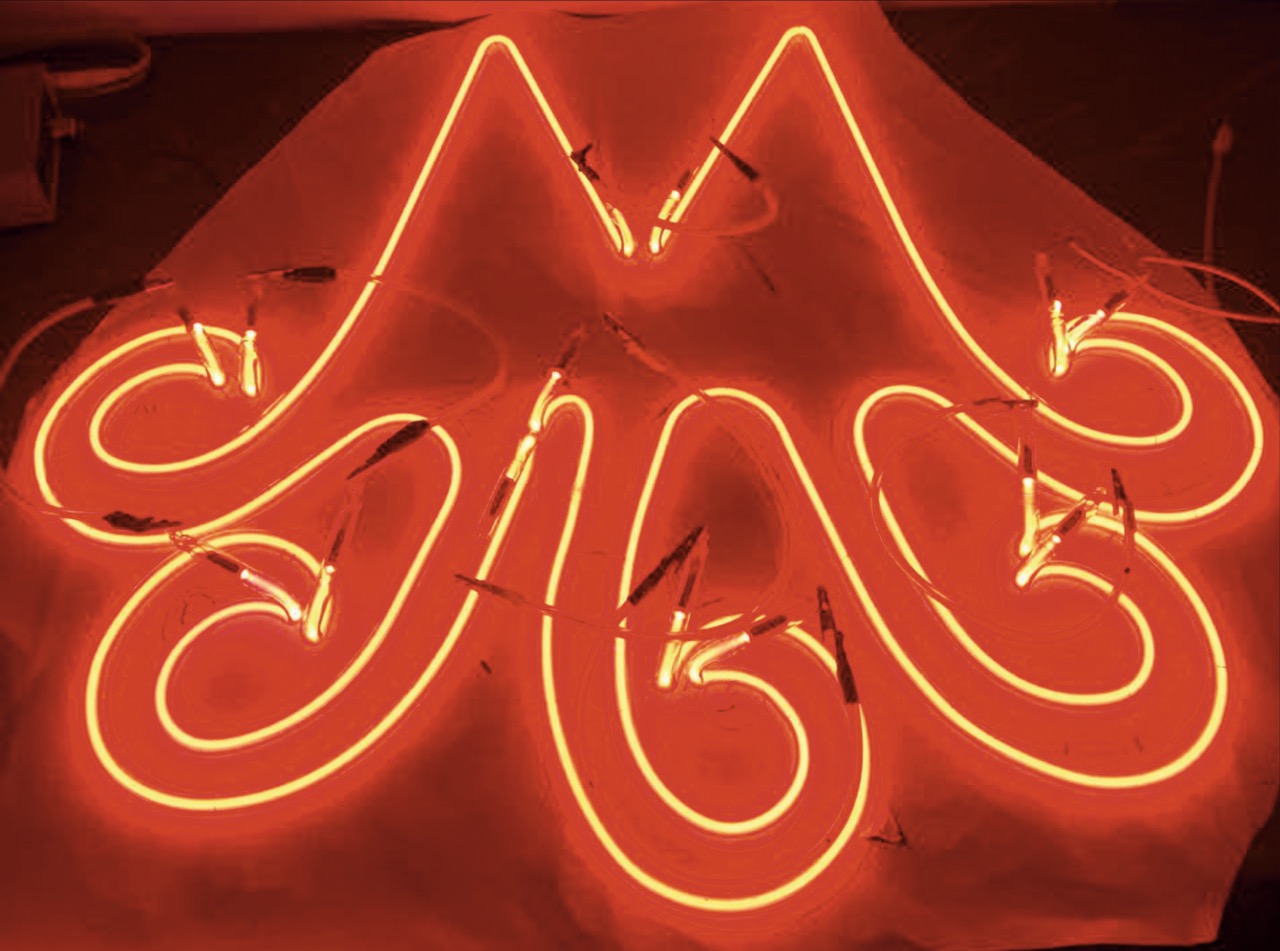
Neon taught me to accept a slow pace without internal resistance. At first, this seemed difficult. We are all accustomed to speed, constant rushing, and the need to do everything at once. But glass requires a different approach. It doesn’t tolerate haste. And the more I worked with it, the more I realized that what matters is not the immediate result, but the process that cannot be rushed.
Time loses its usual significance when you learn to be in the moment rather than rushing toward a final result. It doesn’t mean doing nothing — it means that it’s important to stop resisting the fact that everything needs to happen at its own pace, without unnecessary haste or tension.
Understanding the value of repetition without irritation. I repeated the same actions many times — at first, these routine movements seemed monotonous, almost boring. But over time, I realized that each repetition is not just a mechanical process, but an opportunity to delve deeper into the details.
Each movement in the process of working with neon brings new discoveries, although everything might seem the same on the surface. This teaches me to appreciate the repetition itself as part of the journey. I began to see that in these small and seemingly monotonous movements lies a deep essence: it is through them that true precision and mastery come.
To treat mistakes not as failures, but as a point from which the process simply continues. Mistakes are inevitable. I used to perceive them as defeat, as a signal that I had failed somewhere. But with neon, I realized that mistakes are not the end. They are merely a moment that leads to the next step. If the glass doesn’t work out, it’s not the end of the work, but the beginning of a new cycle.
A mistake simply signals that you need to try again, change the angle or speed, and continue. This understanding freed me from the fear of mistakes and taught me to be more flexible. Mistakes became part of the process, not its barrier. I no longer fixate on them, but perceive them as an inseparable part of the journey that you still need to continue, without stopping, without judging yourself too harshly.
Creative Freedom in Hobbies
Working with neon taught me not only patience and attention to detail, but also to understand more deeply the importance of self-expression through the process. This approach, with its slow but steady movement forward, proved valuable in another of my hobbies. A hobby that has always been something personal to me, became an opportunity to continue searching for harmony in things made with my own hands.
In this process, I found something greater than just a pastime. It became a path where I could use the skills I had gained in a different context.